 ENG
ENG
 INA
INA
Udayana University’s Master’s Program in Sustainable Development and Finance Highlights Financial Management for Older Adults and Family Resilience
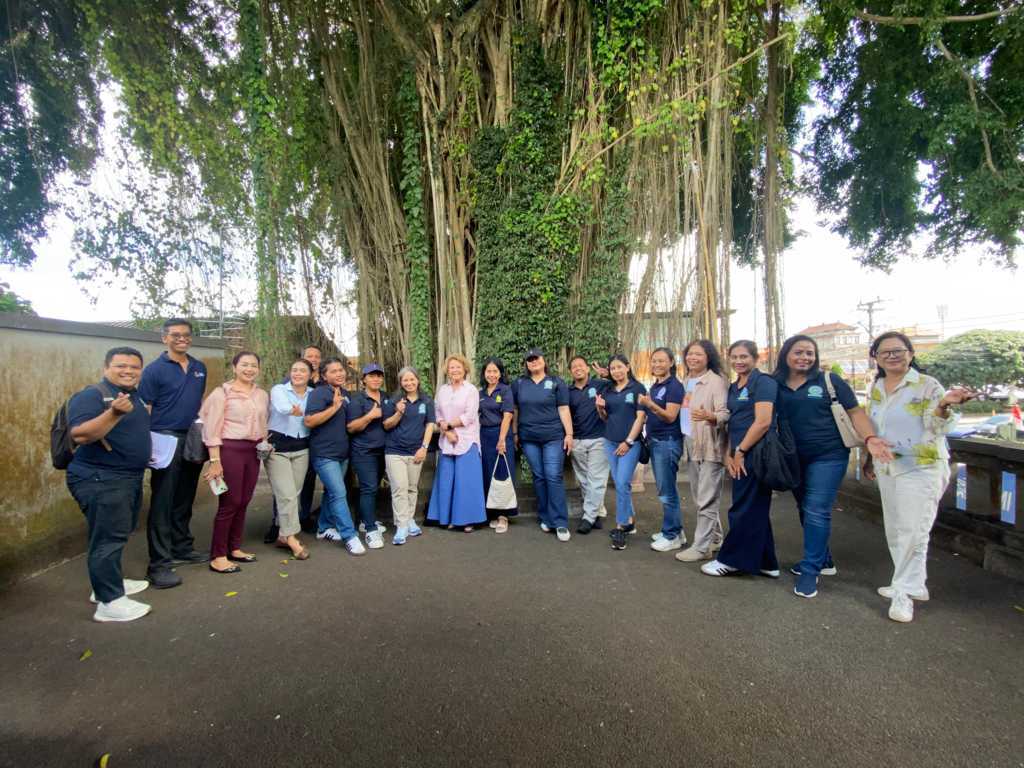
The Master's Program in Sustainable Development and Finance at the Graduate School of Udayana University (Unud) highlighted the importance of financial management for older adults through a community service initiative on Friday, August 14, 2026. Entitled "Financial Management Guidelines for Older Adults: Managing Limited Resources for Well-Being and Family Resilience," the program featured Dr. Azimah Pilus Ehr, MD, MPH, MBA, as the invited speaker.
DENPASAR –
The Master's Program in Sustainable Development and Finance at the Graduate School of Udayana University (Unud) scheduled a community service initiative entitled "Financial Management Guidelines for Older Adults: Managing Limited Resources for Well-Being and Family Resilience" for Friday, August 14, 2026. The initiative highlighted financial resource management as an important aspect of supporting older adults' well-being and strengthening household economic resilience.
The community service program featured Dr. Azimah Pilus Ehr, MD, MPH, MBA, as the invited speaker. Through its selected theme, the Graduate School drew attention to the importance of financial understanding among older adults, particularly in managing limited resources while meeting ongoing living expenses.
Financial management for older adults is closely connected to meeting everyday needs, maintaining access to healthcare, and preserving household financial stability. Planning that reflects available financial resources can help individuals and families prioritize spending and reduce exposure to financial difficulties.
The initiative's theme emphasized the importance of understanding how to manage limited resources. In the context of older adults' financial well-being, decisions need to consider income availability, essential living expenses, healthcare costs, and family support. Financial priorities should reflect each individual's economic circumstances and personal needs.
Preparing a realistic budget is one relevant approach to balancing income and expenditure. Distinguishing essential needs from expenses that can be postponed, maintaining simple financial records, and planning for unexpected costs are practical considerations that can help families manage financial constraints more effectively.
Financial management in later life is also associated with maintaining personal independence. A clear understanding of financial capacity can support more cautious decision-making, particularly when facing changing health conditions, caregiving needs, or unplanned expenses.
Through this community service initiative, Udayana University's Master's Program in Sustainable Development and Finance highlighted the relationship between personal financial management and family well-being. The financial circumstances of older adults may also affect other family members, particularly when healthcare, housing, and daily living expenses require shared support.
Strengthening family resilience under financial constraints requires effective communication about needs and available resources. Family involvement in financial planning can help align spending priorities while respecting older adults' needs, preferences, and independence.
The topic is also relevant to the broader field of sustainable development and finance. Economic well-being involves not only the resources available to individuals and households but also their ability to manage those resources to meet needs over time. For older adults, this perspective positions financial planning as part of maintaining quality of life in later years.
The initiative focused on financial management guidance for older adults, emphasizing the management of limited resources to support individual well-being and family resilience. The theme connected financial literacy with the everyday needs and circumstances of older populations.
Through this community service initiative, the Master's Program in Sustainable Development and Finance at the Graduate School of Udayana University positioned financial management for older adults within a broader academic commitment to inclusive and sustainable development. The program's theme was intended to promote greater understanding of financial planning that responds to older adults' needs while supporting well-being and long-term family economic resilience.
Encouraging Responsible Financial Management in Later Life
Connecting Older Adults' Well-Being with Family Financial Resilience
.jpeg)
UDAYANA UNIVERSITY